Supporting Links

History
General
- This classic, beloved game is now available to play for free! Play Oregon Trail online!
- Another great game, also available and free to play! Play Amazon Trail online!
- A Child’s History of the World for Year 1.
- A real treasure: Study guide for the Holman Bible Atlas! This is a 69-page pdf download file.
- The Story of Mankind by Hendrik Van Loon
- Highland Heritage has a number of resources you might love to use; however, there is no answer key for some of the literature helps.
- Judaism: all kinds of useful information. Pre-read before letting them loose, but wholesome for most children, I think.
- If you and your children enjoy praying for different countries of the world, you will enjoy linking up with this page on Worldwide Missions. It contains statistics that give a clear picture of the prayer needs of various countries. Year 1 encourages you to lead your children in prayer for all Hindus and Buddhists. Look at this site to find those areas most in need!
- The “Ism” book online. Basic definitions that will help you in your worldview studies.
- Bible dictionary that you may find helpful during Year 1
- A user recommends the NIV Archaeological Study Bible ISBN: 031092605X
- Great Studio Projects in Art History by William Reid (ISBN 0825138523): This art history project book can be used in all four year-plans! There are 80 projects and the time period goes through the 1980’s.
- Here’s real help with Feast Nights: food timeline and recipes galore! Enjoy!
- Cookie Dough Recipe: A great alternative to salt dough maps.
- Try Crayola’s Model Magic: a great lightweight soft modeling substance. It air-dries quickly, and after it’s dry, it can be sanded, painted, or decorated. Model magic can replace Fimo for most projects suggested in Tapestry.
- This site can be for reviewing parts of speech. Activities include matching, concentration, flash cards, and a word search.
- Click here for another grammar game.
- Make online crossword puzzles here or here. These are great for reviewing vocabulary!
- Daily Grammar Excellent site!
- Online Writing Lab
- Transition words for writing.
- Great speech outline: .pdf file
Time Lines
- Time Line Book Instructions
- Time Line Forms
- Interesting information about ancient time lines from Answers in Genesis
- Time line of “Famous People”
- Ancient History Time Line
Unit 1
Week 1: Curtain Rises on Egypt: Gift of the Nile
- Odyssey Online: Egypt
- Wonderful overview site of Egyptian history
- Text of the Egyptian Book of the Dead
Week 2: Pharaohs & Pyramids
- Odyssey Online: Egypt
- Dynasties of Egypt
- Excellent site for all ages on pyramids: take virtual tours!
- Mummies: Pictures and Information
- Egyptian Armies
- The Seven Wonders of the Ancient World
Week 3: Egyptian Polytheism & the Judgment of God
- Read about Egyptian gods here.
- See the article, “Why Did God Allow the Killing of All the Firstborn in Egypt?” for the correlation of each plague to an Egyptian god, plus more information on God’s judgment of Egypt.
- Want to know more about Egyptian mythology? Look no further! Use images from this site to decorate writing projects, display boards, etc. Also great for art projects!
- Egyptian Religion from Kidipede
- This site includes games, recipes, and basic information for several Jewish holidays.
Week 4: Creation Through Noah
- Neat link about the theory of tectonic plates from a Christian perspective!
- Noah’s Flood: a worldwide event? Yes, judging from the number of flood stories assembled here!
- Man builds a scale model of the Ark
Week 5: Abraham & Ancient Mesopotamian Civilizations
- Middle East: cultural links can be found here and here.
- Writing in Mesopotamia
- Examine this short collection of Tower of Babel pictures to understand the nature of ziggurats and how artists have used it to portray human sin.
- Timeline of Mesopotamia
- Ancient Mesopotamia: video
Week 6: The Patriarchs: From Canaan to Egypt
- Time Line of the Patriarchs
- Bible Time Line, includes Bible verses with no graphics.
- The Significance of Passover.
- Hebrew for Christians
Week 7: In The Wilderness: The Tabernacle & the Law
- Find out lots of information about practicing Shabbat.
- Shabbat Service
- What was it like inside the Tabernacle?
- Jewish Calendar
- Hebrew for Christians
- This site includes games, recipes, and basic information for several Jewish holidays.
Week 8: In The Wilderness: Holiness – Worshipping God as God
- Jewish Prayer Services
- Judaism 101 all kinds of useful information. Pre-read before letting them loose, but wholesome for most children, I think.
- The Jewish Children’s Learning Network. All kinds of useful information!
- Rosh Hashanah site loaded with traditions, blessings, crafts, and more.
- Rosh Hashanah Seder
- Hebrew for Christians
- This site includes games, recipes, and basic information for several Jewish holidays.
Week 9: In The Wilderness: Slaves to Warriors
- Hebrew for Christians
- This site includes games, recipes, and basic information for several Jewish holidays.
Unit 2
Week 10: The Indus Valley, Hinduism, & Buddhism
- Interactive site about the Indus Valley. Information about the “bead pot” for Year 1. (Warning: nude statues)
- Art and Technologies in the Indus Valley
- The Indus Valley Civilization
- Indus Valley Civilization: Daily Life
- Ancient India: Pictures and Information.
- For rhetoric Accountability and Thinking Questions: Ancient India.
- Examples of oxen and a two-wheeled cart
Week 11: Ancient China: Confucius & Taoism
- Learn about the Great Wall of China.
- A panoramic of the Great Wall
- From EnchantedLearning: Chinese Inventors and Inventions.
- Ancient Chinese advancements and achievements Click tabs across the top to view achievements in every dynasty.
- Ancient Chinese Civilizations
Week 12: Ancient Americas
Week 13: Early Greek Cultures of the Bronze Age
- Life in Ancient Greece.
- Excellent website about Ancient Greece.
- Synopsis of the Trojan War.
- Excellent site on the epochs of Greek history.
- Greek Mythology site
- Text of Famous Men of Greece
- Minoans
- Mycenaeans
Week 14: Early Greek Cultures of the Archaic Period
- Life in Ancient Greece
- Excellent website about Ancient Greece
- Text of Famous Men of Greece
Week 15: The Promised Land: Conquest & Settlement
- Relationship between the Canaanite/Phoenician cultures and the Israelites as they entered Canaan.
- Canaanite culture: very informative links here and here.
Week 16: Israel’s Judges and Neighbors
- Lydians
- Lydia: great information found here.
- Ammonites
- Midianites
- Amorites
- Jebusites
- Moabites
- Brief but helpful overview of the Hittites
- The Hittites.
Week 17: The Rise of Saul & the Philistines
- The origins of the Philistines.
- All Bible references to the Philistines.
- The Catholic Encyclopedia’s information on the Philistines.
- Ekron: A Philistine City
- Excavation site and pottery from Ekron, one of the five Philistine cities.
Week 18: King David and the Phoenicians
- A great site on Phoenicians.
- Phoenicians in Spain
- Do many searches for all things Phoenician from this comprehensive site. Again, parental guidance suggested! We’ve done a few key searches for you:
- Tyrian (Phoenician) Purple
- Phoenician Colonies & Trading Posts
Unit 3
Week 19: Solomon’s Divided Heart
- YouTube video showing 3D rendering of Solomon’s Temple.
- Very nice website on Solomon’s temple.
- Queen of Sheba
Week 20: The Divided Kingdom
- Kings of Israel and Judah: time lines and short bios. Very helpful!
- Kings of Israel referenced Biblically.
- Worksheet about the Divided Kingdom
Week 21: The Assyrian Scourge: The Northern Kingdom Is Deported
Week 22: The Chaldeans (New Babylonians) and the Babylonian Captivity
- A brief history of the Babylonians.
- Information on the Babylonian Captivity with a nice hyperlink to a page on the Chaldeans.
- The Chaldeans
Week 23: The Medes and Persians: The Israelites Return Home
- A good history of the Persians
- Time line of the Persian Empire.
- This site includes games, recipes, and basic information for several Jewish holidays.
Week 24: Persians and Greeks: The Persian Wars
- An excellent website about Ancient Greece
- Text of Famous Men of Greece
- Great site on the Ancient Greeks.
- Odyssey Online: Greece
- Useful summary of the Persian Wars
- Herodotus
- A time-line of the Persian Empire.
- The Rise of Athens and Sparta.
- The Persian Wars
- The Athenian Empire
Week 25: The Golden Age of Greece and the Peloponnesian Wars
- An excellent website about Ancient Greece
- Odyssey Online: Greece
- Peloponnesian War
- Text of Famous Men of Greece
- War between Athens and Sparta as seen by these two families, told in play format.
- Hippocrates
- The History of the Peloponnesian War by Thucydides
- Ancient Greet Art
Week 26: Greek Achievements: Science, Mathematics, and Philosophy
- Ancient Catapults: Lots of historical information, but good illustrations that may prove helpful if you are making your own.
- Text of Famous Men of Greece
- Learn about the original Olympics.
- Hippocrates
- Pythagoras
- Socrates
- Plato
Week 27: Alexander the Great: Preparation for Proclamation
- Alexander the Great
- Jewish history during the Hellenistic Age.
- The Maccabees
- Text of Famous Men of Greece
- Aristotle
- Alexander III (the Great)
- This site includes games, recipes, and basic information for several Jewish holidays.
Unit 4
Week 28: The Etruscans and the Founding of Rome
- The Etruscans
- Text of Famous Men of Rome
- Romulus and Remus
- The life of Coriolanus, by Plutarch
Week 29: The Roman Republic: Everyday Life
- Odyssey Online: Rome
- Text of Famous Men of Rome
Week 30: The Roman Republic Expands: The Punic Wars
- Punic Wars
- Text of Famous Men of Rome
Week 31: From Republic to Empire
Week 32: Imperial Rome: Backdrop to the Atonement
- Odyssey Online: Rome
- Text of Famous Men of Rome
- Claudius
- Nero
Week 33: The Zenith of Imperial Rome: Backdrop to the Early Church
Week 34: Rome Decays: Saints and Martyrs of the Early Church
Week 35: Christianity Conquers Rome: Of Church Hierarchies
- Text of Famous Men of Rome
- Diocletian
- Maximian
Week 36: Western Rome Falls: Theology and Church Councils
- Successors of Rome
- Text of Famous Men of Rome
- Augustine
- From the Catholic Encyclopedia: Attila the Hun
- From EnchantedLearning: The Huns
- From the Catholic Encyclopedia: Visigoths
Geography
We suggest that you use a good world history atlas so that your students can have practice at the skill of using maps and legends. Click the link below for our recommendation. The next choice is to use the supporting links that you find here. Please only let your student look at the teacher map in Map Aids as a last resort.
General
Online Maps, Map Vendors, and More!
- Euratlas
- A real treasure: Study guide for the Holman Bible Atlas! This is a 69-page pdf download file.
- Geography Dictionary: great site for geography terms. Click on the letter of terms you are searching for.
- Learn Countries Game
- Another neat site: MegaMaps. Print up maps from the size of a single page to 7 feet across!
- Maps of the Ancient World
Unit 1
Week 1: Curtain Rises on Egypt: Gift of the Nile
- A helpful site for geography terms.
- Egyptian Wild Animals
- Egyptian Flora
- Mineral Resources and Imports and Exports of Egypt.
- Longitude and Latitude: glossary, activity, and answers
- The history of irrigation, shadufs and farming.
- Investigate the Nile in this Interactive Story.
- Search for precious materials in the Jeweler of Memphis.
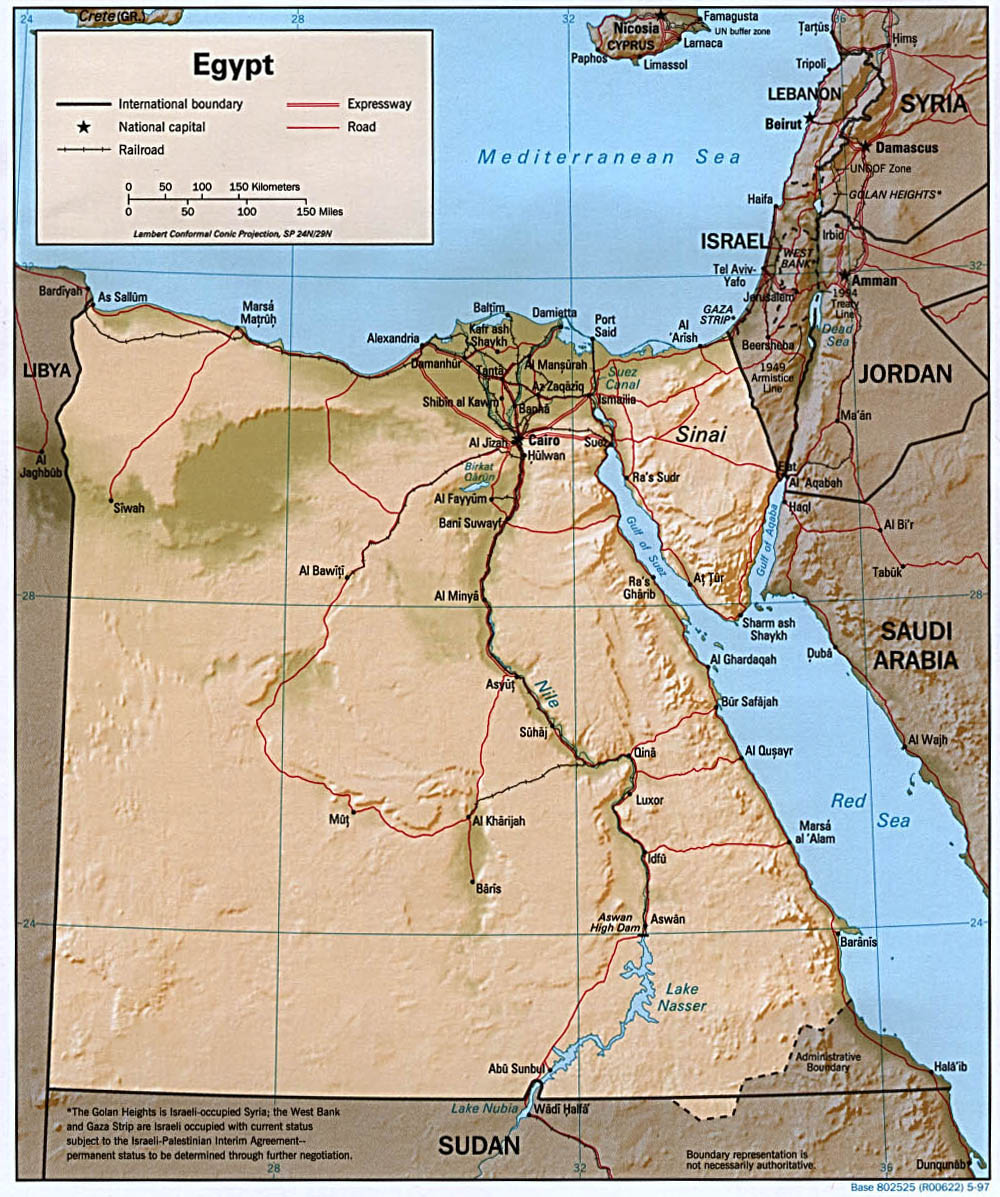
- Simple clickable map of Egypt.
- Need to learn about the black and red lands of Egypt? Click here for maps and helpful information.
- Ethiopian Highlands
- Outline map of Egypt.
Week 2: Pharaohs & Pyramids
- Egyptian Flora
- Egyptian Fauna
- A topographical map of Egypt.
- Maps of the Middle East and Egypt.
- Egypt for kids
Week 3: Egyptian Polytheism & the Judgment of God
- Egyptian gods shows a chart of which deities were associated with the surrounding geography or wildlife.
- Pharaoh’s Obelisk from NOVA TV.
- Pyramid Design and Excavation from NOVA.
- Step Pyramid of Djoser
Week 4: Creation Through Noah
- Parents: preview sites, as may have different viewpoints. Animations showing possible breakup of Pangea. Also look at NASA’s version.
- Possible locations of the Garden of Eden: a biblical perspective.
- Noah’s descendants.
Week 5: Abraham & Ancient Mesopotamian Civilizations
- More helps for learning about Mesopotamia: this site has an interactive map and interactive dramatization of crop management.
- Ancient trade routes that merchants took between the Persian Gulf and Egypt.
- Drastic consequences from climate change – more general information.
- Mesopotamian climate change
- Ancient Mesopotamian foods includes recipe for making Baby Goat Stew – yum!
Week 6: The Patriarchs: From Canaan to Egypt
- Simple geography of the Promised Land.
- Detailed map of the Twelve Tribes of Israel.
- Trace Abraham’s journey here.
Week 7: In The Wilderness: The Tabernacle & the Law
- No objectives
Week 8: In The Wilderness: Holiness – Worshipping God as God
- No objectives
Week 9: In The Wilderness: Slaves to Warriors
- The Exodus from Egypt.
- Outline map of Egypt for review purposes.
Unit 2
Week 10: The Indus Valley, Hinduism, & Buddhism
- Very helpful map of the Canaanite tribes.
- Here’s a map of many Canaanite/Phoenician towns and cities
- More geography on India for you to peruse.
- Ancient Harappa in 3-D
- Maps of India
Week 11: Ancient China: Confucius & Taoism
- Tibetan Highlands
- Map of China.
- Discover the beauty of the land of China.
- Geography of China
- Most of the places listed in the Student Activity Pages are found here.
- Blank outline map of China.
- Enchanted Learning’s Quiz Printout of China.
Week 12: Ancient Americas
Week 13: Early Greek Cultures of the Bronze Age
- Maps of Ancient Greece: links here and here.
- Homeric geography
- Map Quiz printout from Enchanted Learning.
Week 14: Early Greek Cultures of the Archaic Period
- Aegean Sea: links here and here.
- What is a “Mediterranean climate”? Click here to find out.
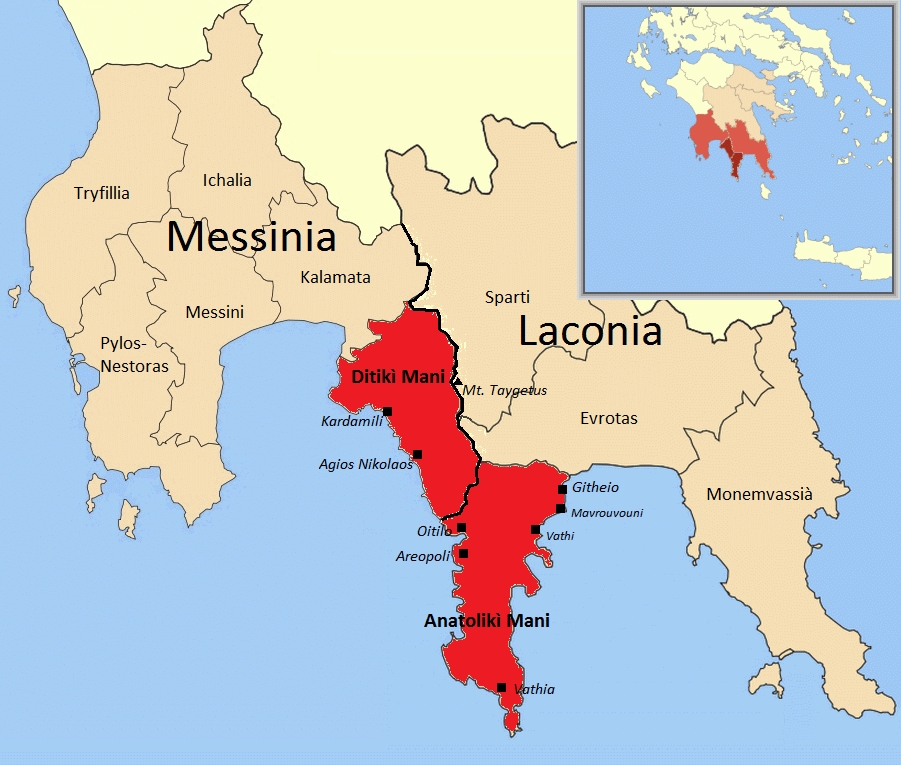
- Laconia and Messania
- National Geographic for Kids: Greece
- Mainland Greece.
- Geography of the Greek Peninsula
- The Greek Islands

Week 15: The Promised Land: Conquest & Settlement
- Topographical map of Israel
- Very helpful map of the Canaanite tribes.
- Map of Canaanite/Phoenician towns and cities.
- Land of Canaan
- Joshua’s Battle Route
Week 16: Israel’s Judges and Neighbors
- Ancient Near East site maps that you can download and use for map work this week.
- Ancient Israel: map
- Israel: blank outline maps from EnchantedLearning.com.
- The 12 Tribes of Israel.
Week 17: The Rise of Saul & the Philistines
- Geography of the Book of Samuel.
Week 18: King David and the Phoenicians
- Map showing Phoenician trading empire: colonies and lands they controlled.
- A comparison map showing the division of the 12 Tribes and the Empire of David and Solomon
Unit 3
Week 19: Solomon’s Divided Heart
- One map that may help you this week
- A comparison map showing the division of the 12 Tribes and the Empire of David and Solomon
- Trace the path of the International Coastal Highway.(click on the map to enlarge)
- Trace the path of the King’s Highway.
Week 20: The Divided Kingdom
- Map of the divided kingdoms
Week 21: The Assyrian Scourge: The Northern Kingdom Is Deported
Week 22: The Chaldeans (New Babylonians) and the Babylonian Captivity
Week 23: The Medes and Persians: The Israelites Return Home
- The Persian Royal Road
- Great map of the Persian Empire at its height. Shows the Royal Road.
Week 24: Persians and Greeks: The Persian Wars
- Map shows the interactions between the Greeks and Persians.
- Links to several maps of the Ancient Greek World.
- Excellent website about Ancient Greece: click on “geography”
Week 25: The Golden Age of Greece and the Peloponnesian Wars
- Enchanted Learning’s “Map of Greece Quiz/Coloring Printout”
- Excellent website about Ancient Greece: click on “geography”
- This map shows the natural resources of ancient Greece that helped them create enduring work of art and architecture. (Click on the natural resources map)
Week 26: Greek Achievements: Science, Mathematics, and Philosophy
Week 27: Alexander the Great: Preparation for Proclamation
- The Extent of the Hellenistic Empire under Alexander.
- Alexander’s Kingdom (after his death)
- Philip Arrhidaeus (Philip III)
- The History of Israel-Timeline

Unit 4
Week 28: The Etruscans and the Founding of Rome
- Map of the Etruscan League and cities. GREAT!
- Ancient Italy
- Latium territory information can be found here.
- Apennine Mountains, Syracuse (Siracusa), and the Bay of Naples
- Alba Longa and the Tiber River
- Magna Graecia
- Pompeii
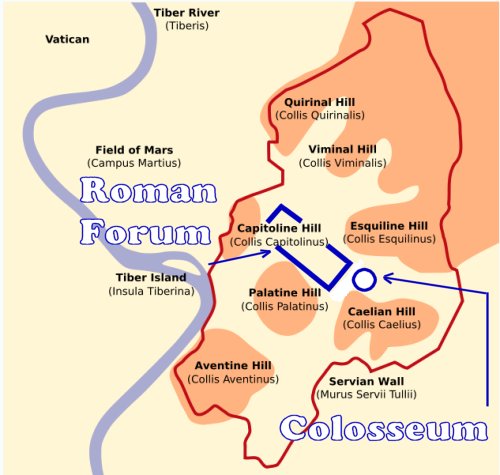
- Palatine Hill


Week 29: The Roman Republic: Everyday Life
- No objectives this week
Week 30: The Roman Republic Expands: The Punic Wars
- The Pyrenees Mountains, Strait of Gibraltar, Bay of Biscay, and Mediterranean Sea are found on this map.
- The Iberian Peninsula
- The Italian Peninsula
- The Greek Peninsula
- Rivers of the Iberian Peninsula and the Balearic Islands are found on this map.
- The Canary Islands
- Cadiz, Malaga, and Barcelona
- Numidia and Carthage
- Path of the Punic Wars


Week 31: From Republic to Empire
Week 32: Imperial Rome: Backdrop to the Atonement
- Map of the Roman Empire in the time of Jesus.
- One more excellent map that will help you this week. Don’t miss this one!
- Ancient Italy
Week 33: The Zenith of Imperial Rome: Backdrop to the Early Church
- Neat map showing the spread of Christianity.
- One of several online maps showing Paul’s missionary journeys.
- Color map of Paul’s first or second missionary journey.
- The Diaspora
Week 34: Rome Decays: Saints and Martyrs of the Early Church
- No objectives this week
Week 35: Christianity Conquers Rome: Of Church Hierarchies
- Diocletian
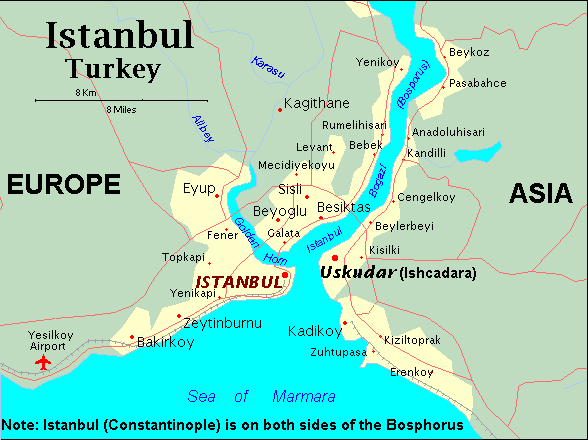
- Constantinople
- The Division of the Roman Empire.
- Where is Constantinople located in today’s world?
Week 36: Western Rome Falls: Theology and Church Councils
- Maps of the Roman Empire.
- Model Roman City
- Review Units 3 and 4.
Worldview
General
- If you and your children enjoy praying for different countries of the world. This site contains statistics that give a clear picture of the prayer needs of various countries. Year 1 encourages you to lead your children in prayer for all Hindus and Buddhists. Look at this site to find those areas most in need!
- The “Ism” book online. Basic definitions that will help you in your worldview studies.
- Bible dictionary that you may find helpful during Year 1
- A user recommends the NIV Archaeological Study Bible ISBN: 031092605X
Unit 1 – The Books of Moses
Week 1: Curtain Rises on Egypt: Gift of the Nile
- Egyptian coloring pages for coloring or journal entries can be found here.
- From ChristianAnswers.net: Moses and the Burning Bush coloring page.
- A picture and a drawing of a paddle doll
Week 2: Pharaohs & Pyramids
- No Links Available.
Week 3: Egyptian Polytheism & the Judgment of God
- Article on Egyptian beliefs: Teacher only.
- Spurgeon’s sermons: Christ Our Passover and The Exodus.
Week 4: Creation Through Noah
- No helpful links this week.
Week 5: Abraham & Ancient Mesopotamian Civilizations
- Wonderful site on Mesopotamia.
- Summary of Sumerian mythology with pictures.
Week 6: The Patriarchs: From Canaan to Egypt
- Judaism: all kinds of useful information. Please pre-read, but wholesome for most children, I think, and a great help for teachers.
- God Calls Abram: worksheets from the book of Genesis.
- Rosh Hashanah guided learning from MyJewishLearning.com.
- Yom Kippur guided learning from MyJewishLearning.com.
- Compare and contrast the Mosaic Covenant with the Abrahamic Covenant.
- All the links you’ll ever need about the Tabernacle, and Tabernacle models.
- Jewish Prayer Services
Week 7: In The Wilderness: The Tabernacle & the Law
- Judaism: all kinds of useful information. Please pre-read, but wholesome for most children, I think, and a great help for teachers.
- God Calls Abram: worksheets from the book of Genesis.
- Rosh Hashanah guided learning from MyJewishLearning.com.
- Yom Kippur guided learning from MyJewishLearning.com.
- Compare and contrast the Mosaic Covenant with the Abrahamic Covenant.
- All the links you’ll ever need about the Tabernacle, and Tabernacle models.
- Jewish Prayer Services
Week 8: In The Wilderness: Holiness – Worshipping God as God
- Judaism: all kinds of useful information. Please pre-read, but wholesome for most children, I think, and a great help for teachers.
- God Calls Abram: worksheets from the book of Genesis.
- Rosh Hashanah guided learning from MyJewishLearning.com.
- Yom Kippur guided learning from MyJewishLearning.com.
- Compare and contrast the Mosaic Covenant with the Abrahamic Covenant.
- All the links you’ll ever need about the Tabernacle, and Tabernacle models.
- Jewish Prayer Services
Week 9: In The Wilderness: Slaves to Warriors
- Judaism: all kinds of useful information. Please pre-read, but wholesome for most children, I think, and a great help for teachers.
- God Calls Abram: worksheets from the book of Genesis.
- Rosh Hashanah guided learning from MyJewishLearning.com.
- Yom Kippur guided learning from MyJewishLearning.com.
- Compare and contrast the Mosaic Covenant with the Abrahamic Covenant.
- All the links you’ll ever need about the Tabernacle, and Tabernacle models.
- Jewish Prayer Services
Unit 2 – All Governments Are Established by God
Week 10: The Indus Valley, Hinduism, & Buddhism
Week 11: Ancient China: Confucius & Taoism
- Ancient Chinese Religion
- Learn more about Confucius here or here.
Week 12: Ancient Americas
- No Links Available.
Week 13: Early Greek Cultures of the Bronze Age
- No helpful links this week.
Week 14: Early Greek Cultures of the Archaic Period
- No helpful links this week.
Week 15: The Promised Land: Conquest & Settlement
- No helpful links this week.
Week 16: Israel’s Judges and Neighbors
- No Links Available.
Week 17: The Rise of Saul & the Philistines
- Who was the Philistine idol, Dagon, who fell down before the ark? The Catholic Encyclopedia online has a great short summary.
- A picture of Dagon, the fish-god.
Week 18: King David and the Phoenicians
- No Links Available.
Unit 3 – Preparing the World for its Savior
Week 19: Solomon’s Divided Heart
- No Links Available.
Week 20: The Divided Kingdom
- Worksheet about the Divided Kingdom
- Use these charts as you study the kings and prophets of the two kingdoms: Israel’s Kings and Prophets and Kings and Prophets. The two charts don’t always agree, especially in the case of Obadiah, but they are a helpful place to start.
Week 21: The Assyrian Scourge: The Northern Kingdom Is Deported
Week 22: The Chaldeans (New Babylonians) and the Babylonian Captivity
- No helpful links this week.
Week 23: The Medes and Persians: The Israelites Return Home
- Zoroastrianism, the religion of Persia.
Week 24: Persians and Greeks: The Persian Wars
Week 25: The Golden Age of Greece and the Peloponnesian Wars
Week 26: Greek Achievements: Science, Mathematics, and Philosophy
- No helpful links this week.
Week 27: Alexander the Great: Preparation for Proclamation
- Link to the texts of the books of Macabees:
- 1 Macabees (16 chapters)
- 2 Macabees (15 chapters)
- Overview and background information on Macabees from the Catholic Dictionary.
- Aristotle
- The Works of Aristotle
Unit 4 – In the Fullness of Time
Week 28: The Etruscans and the Founding of Rome
- No helpful links this week.
Week 29: The Roman Republic: Everyday Life
Week 30: The Roman Republic Expands: The Punic Wars
Week 31: From Republic to Empire
Week 32: Imperial Rome: Backdrop to the Atonement
- The Death and Resurrection of Jesus
- Book of Matthew
Week 33: The Zenith of Imperial Rome: Backdrop to the Early Church
Week 34: Rome Decays: Saints and Martyrs of the Early Church
- The Development of the Canons of the New Testament.
- Book of Galatians
Week 35: Christianity Conquers Rome: Of Church Hierarchies
- Constantine
- Book of Ephesians
- Apostolic Succession: Why don’t Protestants have a pope?
- What does the Bible say about the pope/papacy?
Week 36: Western Rome Falls: Theology and Church Councils
- Review Units 3 and 4.
Literature
General
- Highland Heritage has a number of resources you might love to use; however, there is no answer key for some of the literature helps.
- Judaism: all kinds of useful information. Pre-read before letting them loose, but wholesome for most children, I think.
Unit 1 – The Books of Moses
Week 1: Curtain Rises on Egypt: Gift of the Nile
- Ancient Egypt: the Mythology
Week 2: Pharaohs & Pyramids
- The Golden Goblet study questions.
- Ancient Egypt: the Mythology
- The Sphinx and the Prince
Week 3: Egyptian Polytheism & the Judgment of God
- Khnemu of the Nile
- The Book of Thoth
- The Story of the Shipwrecked Sailor: links here and here
- The Greek Princess
- Ancient Egypt: the Mythology
Week 4: Creation Through Noah
- Egyptian Creation Mythology
- Flood Stories from Around the World.
Week 5: Abraham & Ancient Mesopotamian Civilizations
- You’ll definitely want to read “The Flood of Noah and the Flood of Gilgamesh” from the Institute for Creation Research. Look for the chart of parallels midway down the page. For Rhetoric students and teacher information.
- Another excellent choice is from Answers in Genesis: “Noah’s Flood and the Gilgamesh Epic”.
- Free copy of the Epic of Gilgamesh in translation.
- Gilgamesh summarized, good detailed summary. If you would like to edit your students reading of the lewd parts of the story, you can read here and find where they are and avoid them. A good “in between” site for students too advanced for picture books and not quite ready for the actual text! You can get the full tale from this site!
- Gilgamesh questions
Week 6: The Patriarchs: From Canaan to Egypt
- No helpful links this week.
Week 7: In The Wilderness: The Tabernacle & the Law
- Shabbat Stories for children.
Week 8: In The Wilderness: Holiness – Worshipping God as God
- Good information about Rosh Hashanah.
- The Jewish holiday of Yom Kippur.
Week 9: In The Wilderness: Slaves to Warriors
- A good explanation of the Passover.
Unit 2 – All Governments Are Established by God
Week 10: The Indus Valley, Hinduism, & Buddhism
- Very good site on Indian mythology. Supervise students: all ages.
Week 11: Ancient China: Confucius & Taoism
- No Links Available.
Week 12: Ancient Americas
- At this excellent site, read in translation from the original Creation myth of the Ancient Mayans, Popol Vuh.
- No Links Available.
Week 13: Early Greek Cultures of the Bronze Age
- Spark Notes for The Iliad
Week 14: Early Greek Cultures of the Archaic Period
- A fun link for Greek mythology and learning about Greek gods
Week 15: The Promised Land: Conquest & Settlement
- No helpful links this week.
Week 17: The Rise of Saul & the Philistines
- An excellent study guide for the book Hittite Warrior (.pdf file). If warning comes up for your Adobe Reader click cancel and the page will load.
Week 18: King David and the Phoenicians
- No helpful links this week.
Unit 3 – Preparing the World for its Savior
Week 19: Solomon’s Divided Heart
- Scroll almost all of the way down for an excellent study guide for the King Solomon and the Queen of Sheba. Includes comprehension questions and tests. (Dig around…this is a very helpful site!)
Week 20: The Divided Kingdom
Week 21: The Assyrian Scourge: The Northern Kingdom Is Deported
- Jonah (NIV), Amos (NIV, KJV). Just the first chapter of each will come up. You’ll have to click on “next chapter” to continue reading.
Week 22: The Chaldeans (New Babylonians) and the Babylonian Captivity
Week 23: The Medes and Persians: The Israelites Return Home
- Study guide for the book of Esther
Week 24: Persians and Greeks: The Persian Wars
- All you need to know about Greek theatre.
- A simpler, shorter summary of Greek theatre with some good pictures. Suitable for Dialectics and up independently, and you can read aloud from this site to youngersMiddle students and up can read independently, read aloud for younger students.
- Spark Notes and summaries for: Agamemnon, Antigone, and Oedipus the King. You may want to make sure the subject matter is not too much for your child.
- Spark notes for The Libation Bearers
- The complete Xenophon is here: you’d choose the Anabasis if you want to read Xenophon.
- Great site: all the Aesop’s Fables you’ll ever need! All ages, but supervision is recommended. (We’ve not previewed this entire site, and it seems that stories from other sources are also posted.)
Week 25: The Golden Age of Greece and the Peloponnesian Wars
- Spark Notes and summary for Medea. You may want to make sure the subject matter is not too much for your child. Here is another wonderful guide to Medea.
- Great site: all the Aesop’s Fables you’ll ever need! All ages, but supervision is recommended. (We’ve not previewed this entire site, and it seems that stories from other sources are also posted.)
Week 26: Greek Achievements: Science, Mathematics, and Philosophy
- An introduction to Greek tragedy.
- All you need to know about Greek theatre.
- A simpler, shorter summary of Greek theatre. Middle students and up can read independently, read aloud for younger students.
- Background on Plato’s Apology.
- The text of Plato’s Apology to read on screen or print and read.
- Text of Euthyphro to read/print.
Week 27: Alexander the Great: Preparation for Proclamation
- Plato’s Crito to read on screen or print and read.
- Plato’s Phaedo to read on screen or print and read.
Unit 4 – In the Fullness of Time
Week 28: The Etruscans and the Founding of Rome
Week 29: The Roman Republic: Everyday Life
- The Story of the Aeneid. Summary information for the teacher, but will also work as a good substitute for a Dialectic student.
- The Aeneid
- Spark Notes for The Aeneid.
- Short review for In Search of a Homeland
Week 30: The Roman Republic Expands: The Punic Wars
- The Story of the Aeneid. Summary information for the teacher, but will also work as a good substitute for a Dialectic student.
- The Aeneid
- Spark Notes for The Aeneid
Week 31: From Republic to Empire
- Here is the full version of Gallic Wars by Julius Caesar.
- The Story of the Aeneid. Summary information for the teacher, but will also work as a good substitute for a Dialectic student.
- The Aeneid
- Spark Notes for The Aeneid.
Week 32: Imperial Rome: Backdrop to the Atonement
- Here is the full version of Gallic Wars by Julius Caesar.
Week 33: The Zenith of Imperial Rome: Backdrop to the Early Church
- The Bronze Bow study guides: here.
Week 34: Rome Decays: Saints and Martyrs of the Early Church
- The Bronze Bow study guides: here.
Week 35: Christianity Conquers Rome: Of Church Hierarchies
- No helpful links this week.
Week 36: Western Rome Falls: Theology and Church Councils
Writing
General
- Here’s a great site to bookmark for all your graphic organizing needs and questions. What is a Graphic Organizer?
- This site can be for reviewing parts of speech. Activities include matching, concentration, flash cards, and a word search.
- Click here for another grammar game.
- Make online crossword puzzles here. This is great for reviewing vocabulary!
- Daily Grammar Excellent site!
- Online Writing Lab
- Transition words for writing.
- Great speech outline: .pdf file
SAT Preparation:
- The SAT online question of the day
- Go to this site to answer almost any question you may have about taking the SAT, PSAT, and more.
- Great test preparation site. Looks great!
- SAT Flash Cards
Writing College Admissions Essays
Unit 1 – The Books of Moses
Week 1: Curtain Rises on Egypt: Gift of the Nile
- Level 2: Nouns
- Levels 8-11: More advanced explanation of steps in the writing process.
Week 2: Pharaohs & Pyramids
- Level 1: Coloring pages: Moses, Pharaoh, the pyramids and more
- Level 2: Pronouns
- Levels 3-6: Sample dictation sentences from the Bible
- Level 12: More advanced explanation of steps in the writing process
Week 3: Egyptian Polytheism & the Judgment of God
- Level 1: Coloring page of Israel being delivered from Egypt.
- Level 2: Grammar Worksheets
- Level 3: Review the parts of speech with this online game.
- Level 3: Parts of Speech song and Schoolhouse Rock songs!
- Levels 3-6: Sample dictation sentences from the Bible.
Week 4: Creation Through Noah
- Level 1: Coloring pages: Adam and Eve and Noah’s Ark.
- Level 2: Grammar Worksheets
- Level 3: This site can be used as you are teaching or reviewing the parts of speech. You’ll enjoy matching, concentration, flash cards, and a word search.
- Levels 3-6: Sample dictation sentences from the Bible.
- Levels 4-12: If you are beginning to learn or review prepositions this week in grammar, click here for a crossword puzzle that will reinforce this knowledge.
- Levels 4-12: Another review: A preposition word search.
Week 5: Abraham & Ancient Mesopotamian Civilizations
- Level 1: Ancient Egypt coloring pages.
- Levels 3-6: Sample dictation sentences from the Bible.
- Levels 3-6: Steps in the writing process
- Levels 6-9: Types of paragraphs: expository, descriptive, narrative, and persuasive.
- Levels 10-11: Formal Outlines
- Level 12: Classical Comparison Paper
Week 6: The Patriarchs: From Canaan to Egypt
- Levels 3-6: dictation sentences from the Bible.
- Levels 10-11: Analytical Essay
Week 7: In The Wilderness: The Tabernacle & the Law
- Level 1: Click here for instructions on making a game for learning prepositions. Looks like fun!
- Level 2: Grammar Worksheets
- Levels 3-6: Sample dictation sentences from the Bible.
- Level 8: Transition words
- Level 11: Go to these sites for helps and practice college application essays:
- Princeton Review has loads of helpful information, and we found this very interesting page there.
- Interested in Business schools? Princeton Review has this article on writing essays for admission to them.
- AdmissionsEssays.com. Click on “college”, then scroll down and click on “FREE step by step analysis, structure, and writing guide!” Or, here is the direct link.
- College Application Essays: written from a secular perspective, but with some helpful hints.
- Sample College Essays
Week 8: In The Wilderness: Holiness – Worshipping God as God
- Level 2: For further help with learning the steps of the writing process, click here.
- Levels 3-6: Sample dictation sentences from the Bible.
Week 9: In The Wilderness: Slaves to Warriors
- Levels 3-6: Sample dictation sentences from the Bible.
Unit 2 – All Governments Are Established by God
Week 10: The Indus Valley, Hinduism, & Buddhism
- Level 3: Venn diagram
Week 11: Ancient China: Confucius & Taoism
- Level 1: Need extra worksheets for working on capitalization? Click here.
- Level 3: Venn diagram
Week 12: Ancient Americas
- Level 3: Venn diagram
- Levels 4-5: Use an online dictionary/thesaurus.
- Levels 4-5: Online thesaurus
- Levels 4-5: Using a Thesaurus
Week 13: Early Greek Cultures of the Bronze Age
- Levels 1-8: Scholastic site for writing and publishing your own poetry.
- Levels 3, 6, 8: For more helps in teaching your poetry unit, click here.
- Levels 3, 6, 8, 10: For further helps on teaching your poetry unit, click here.
Week 14: Early Greek Cultures of the Archaic Period
- Level 1: Greek Myth coloring pages. Click on the right side of the screen.
- Levels 3, 6, 8, 10: For further helps on teaching your poetry unit, click here.
Week 15: The Promised Land: Conquest & Settlement
- Levels 3, 6, 8: A poetry page on haiku with links to other websites.
Week 16: Israel’s Judges and Neighbors
- Level 6, 8, 10: Learn to write a limerick.
- Level 7: Describing wheel (pdf file) or sense chart (pdf file)
- Level 12: Instructions for building your own website.
Week 17: The Rise of Saul & the Philistines
- No links.
Week 18: King David and the Phoenicians
- Levels 3, 6, 8, 10: Use this site for your lesson on Hebrew poetry.
- Level 9: Grading rubric for writing a research paper.
- Level 12: Review this site for an extensive list of business communiques.
Unit 3 – Preparing the World for its Savior
Week 19: Solomon’s Divided Heart
- Levels 2, 4, 7: Newspaper writing
- Level 9: Finding and Gathering the News
Week 20: The Divided Kingdom
- Level 6: Guidelines for a business letter
- Level 8: Literary terms
Week 21: The Assyrian Scourge: The Northern Kingdom Is Deported
- Level 6: Internet Safety, Kid Rules for Online Safety, and Criteria to Evaluate the Credibility of WWW Resources
- Level 10: Venn Diagram (pdf file) to use for prewriting
Week 22: The Chaldeans (New Babylonians) and the Babylonian Captivity
- Level 1: Coloring page: Daniel
- Level 10: Venn Diagram (pdf file) to use for prewriting
Week 23: The Medes and Persians: The Israelites Return Home
- Level 10: Venn Diagram (pdf file) to use for prewriting
Week 24: Persians and Greeks: The Persian Wars
- Level 8: Venn Diagram (pdf file) to use for prewriting
- Levels 10-12: If you are interested in a formal debate and communications association, read more at National Christian Forensics and Communications Association.
Week 25: The Golden Age of Greece and the Peloponnesian Wars
- Level 8: Venn Diagram (pdf file) to use for prewriting
- Levels 10-12: If you are interested in a formal debate and communications association, read more at National Christian Forensics and Communications Association.
Week 26: Greek Achievements: Science, Mathematics, and Philosophy
- Level 1: Coloring page of Greek pottery
- Levels 6, 8, 9: Venn diagram
- Levels 10-12: If you are interested in a formal debate and communications association, read more at National Christian Forensics and Communications Association.
Week 27: Alexander the Great: Preparation for Proclamation
- Levels 6, 8, 9: Venn diagram
- Levels 10-12: If you are interested in a formal debate and communications association, read more at National Christian Forensics and Communications Association.
Unit 4 – In the Fullness of Time
Week 28: The Etruscans and the Founding of Rome
- Levels 1, 4: 12 Essential Paragrah and Essay Writing Skills Exercises and Worksheets (including cluster diagrams) (pdf file)
- Levels 2, 4: Teaching story maps (pdf file)
- Level 5: A user recommends Note Taking By Crayon for this week’s biography paper.
- Levels 8, 9: A checklist for taking essay tests.
Week 29: The Roman Republic: Everyday Life
- Levels 3, 5: 12 Essential Paragraph and Essay Writing Skill Exercises and Worksheets (including cluster diagrams) (pdf file)
- Level 3: Basic information about expository writing.
- Levels 8, 9: A checklist for taking essay tests.
Week 30: The Roman Republic Expands: The Punic Wars
- Level 1: 12 Essential Paragraph and Essay Writing Skill Exercises and Worksheets (including cluster diagrams) (pdf file)
- Level 3: Basic information about descriptive writing.
- Level 7: Write a book report.
- Level 10: Write a biography.
Week 31: From Republic to Empire
- Level 1: 12 Essential Paragraph and Essay Writing Skill Exercises and Worksheets (including cluster diagrams)(pdf file)
- Level 2: Teaching story maps.
- Level 8: A Character Sketch and Advanced Story Map: scroll down to the attached worksheet
Week 32: Imperial Rome: Backdrop to the Atonement
- Level 6: How to write a research paper.
- Level 8: A nice character sketch form.
- Level 9: Write a speech.
Week 33: The Zenith of Imperial Rome: Backdrop to the Early Church
- Level 2: Great information on how to write a book report.
- Levels 4, 5, 7, 9: Write a speech.
- Level 6: How to write a research paper.
- Level 8: A nice character sketch form.
Week 34: Rome Decays: Saints and Martyrs of the Early Church
- Levels 4, 5, 7, 9: Write a speech.
- Level 6: How to write a research paper.
- Level 8: A nice character sketch form.
- Level 10: Business Letters, Memos
Week 35: Christianity Conquers Rome: Of Church Hierarchies
- Levels 4, 5, 7, 9: Write a speech.
- Level 6: How to write a research paper.
- Level 8: A nice character sketch form.
- Level 10: Instructions for building your own website.
Week 36: Western Rome Falls: Theology and Church Councils
Level 10: Instructions for building your own website.
Levels 4, 5, 7, 9: Write a speech.
Level 6: How to write a research paper.
Level 8: A nice character sketch form.
Government
General
Massive site: teacher’s use, probably, initially, although you’ll use it to find sites for your children to read. If they want to read the originals, here they are!
Unit 1 – The Books of Moses
Week 1: Curtain Rises on Egypt: Gift of the Nile
Week 2: Pharaohs & Pyramids
Week 3: Egyptian Polytheism & the Judgment of God
- There are no Government objectives for this week.
Week 4: Creation Through Noah
- There are no Government objectives for this week.
Week 5: Abraham & Ancient Mesopotamian Civilizations
- The law code of Hammurabi: scroll down to see a translation of the actual text, and read commentary that sums up the actual text. Rhetoric and up.
Week 6: The Patriarchs: From Canaan to Egypt
- There are no Government objectives for this week.
Week 7: In The Wilderness: The Tabernacle & the Law
Week 8: In The Wilderness: Holiness – Worshipping God as God
Week 9: In The Wilderness: Slaves to Warriors
- There are no Government objectives for this week.
Unit 2 – All Governments Are Established by God
Week 10: The Indus Valley, Hinduism, & Buddhism
- Read more about Indian history and their laws here.
Week 11: Ancient China: Confucius & Taoism
- Ancient Chinese Law.
- The Analects of Confucius.
Week 12: Ancient Americas
- Definitions of forms of government.
- Mesoamerican Governments
Week 13: Early Greek Cultures of the Bronze Age
- There are no Government objectives for this week.
Week 14: Early Greek Cultures of the Archaic Period
- There are no Government objectives for this week.
Week 15: The Promised Land: Conquest & Settlement
- There are no Government objectives for this week.
Week 16: Israel’s Judges and Neighbors
Week 17: The Rise of Saul & the Philistines
- There are no Government objectives for this week.
Week 18: King David and the Phoenicians
- Becoming a Leader After God’s Heart: Studies in the Life of David
Unit 3 – Preparing the World for its Savior
Week 19: Solomon’s Divided Heart
- Solomon (scroll down to bottom of the page)
Week 20: The Divided Kingdom
Week 21: The Assyrian Scourge: The Northern Kingdom Is Deported
- There are no Government objectives for this week.
Week 22: The Chaldeans (New Babylonians) and the Babylonian Captivity
- Great site on Lycurgus.
Week 23: The Medes and Persians: The Israelites Return Home
- Another great site on Lycurgus.
Week 24: Persians and Greeks: The Persian Wars
- There are no Government objectives for this week.
Week 25: The Golden Age of Greece and the Peloponnesian Wars
- Scroll down to read about “Democracy and the Age of Pericles”
- “Pure Democracy”
Week 26: Greek Achievements: Science, Mathematics, and Philosophy
- Aristotle’s Politics
- SparkNotes on Politics
Week 27: Alexander the Great: Preparation for Proclamation
- Plato’s Republic
- Aristotle’s Politics
- SparkNotes on Politics
Unit 4 – In the Fullness of Time
Week 28: The Etruscans and the Founding of Rome
- Plato’s Republic
Week 29: The Roman Republic: Everyday Life
- Plato’s Republic
Week 30: The Roman Republic Expands: The Punic Wars
- Plato’s Republic
Week 31: From Republic to Empire
- Plato’s Republic
Week 32: Imperial Rome: Backdrop to the Atonement
- Plato’s Republic
Week 33: The Zenith of Imperial Rome: Backdrop to the Early Church
- No helpful links this week.
Week 34: Rome Decays: Saints and Martyrs of the Early Church
- Augustine’s City of God
Week 35: Christianity Conquers Rome: Of Church Hierarchies
- Augustine’s City of God
Week 36: Western Rome Falls: Theology and Church CouncilsAugustine’s City of God
Arts & Activities
General
- Great Studio Projects in Art History by William Reid (ISBN 0825138523): This art history project book can be used in all four year-plans! There are 80 projects and the time period goes through the 1980’s.
- Here’s real help with Feast Nights: food timeline and recipes galore! Enjoy!
- Cookie Dough Recipe: A great alternative to salt dough maps.
- 2 c. smooth peanut butter
- 2 1/2 c. powdered milk
- 2 1/2 c. powdered sugar
- 2 c. white corn syrup
- Blue icing – lakes and oceans
- Green sprinkles – plains
- Clear sprinkles – deserts
- Chocolate chips – mountains
- Red candy strips – rivers
- M&Ms – capitals
- Try Crayola’s Model Magic: a great lightweight soft modeling substance. It air-dries quickly, and after it’s dry, it can be sanded, painted, or decorated. Model magic can replace Fimo for most projects suggested in Tapestry.
Unit 1 – The Books of Moses
Week 1: Curtain Rises on Egypt: Gift of the Nile
- Egyptian coloring pages for coloring or journal entries can be found here.
- From ChristianAnswers.net: Moses and the Burning Bush coloring page.
- A picture and a drawing of a paddle doll
- Make an Egyptian paddle doll.
Week 2: Pharaohs & Pyramids
- Link for making mummies!
- A Clip art gallery for Egypt.
- Tomb painting examples for your project. Be sure to click on the next part at the end of each section. Gives a full display of Egyptian art.
- Great Pyramid of Khufu (pdf to download and assemble)
- Make bricks like the Ancient Egyptians!
- Sphinx pdf to download and assemble.
- Sphinx pictures to aid your carving project.
- Questions about and suggestions for brick making.
- Let’s Do Dewey
Week 3: Egyptian Polytheism & the Judgment of God
- How to make your own Egyptian clothing
- Use a paper plate to make an Ancient Egyptian collar!
- Create music with an Ancient Egyptian sistrum!
Week 4: Creation Through Noah
- Here is a fun coloring page for Noah and the Ark.
- Find coloring pages for the Creation and Noah and the Flood on these sites.
- Here is a good Creation word search from ChristianAnswers.net
- D is for Dinosaur teaching notes and coloring pages
- Tintoretto’s Creation of the Animals
- Tiepolo’s Creation of the Universe
- Michelangelo’s The Creation of the Heavens
Week 5: Abraham & Ancient Mesopotamian Civilizations
- Play the Royal Game of Ur. Make your own game board and learn the rules (recently discovered!) from this great site! See a picture of the actual Royal Game of Ur board by clicking here.
- Learn about the explorations of an archaeologist named C. Leonard Woolley, and explore four royal tombs found in Mesopotamia. Choose tomb 779 on Woolley’s diagram to see the Standard of Ur that Woolley discovered.
- Sumerian Art
- Sumerian Votive Statues
- The Royal Stand of Ur
- FREE download of a board game about Mesopotamia.
- Tower of Babel by Pieter Bruegel the Elder
- Tower of Babel painting by Master of the Duke of Bedford
- The Finding of Moses by Paolo Veronese
- Students can make their own ziggurat by following instructions found here


*Recipes/Seder information under week 9
Week 6: The Patriarchs: From Canaan to Egypt
- Judaism: all kinds of useful information. Please pre-read, but wholesome for most children, I think, and a great help for teachers.
- All the links you’ll ever need about the Tabernacle, and Tabernacle models.
- Buy tabernacle model kits here.
- Excellent pictures of a Tabernacle model that may help in building your own.
- God Calls Abram worksheets for younger children. (pdf)
- Abraham and Isaac etching by Rembrandt
- Rembrandt’s Abraham
- How to draw the Star of David.
- Great website on Ancient Egyptian clothing.
- Listen to a shofar.
- Learn how to make Shabbat candles.
- Printable activities for Passover.
- The family tree of Terah.
- Make a cardboard box loom.
- Make some tasty, kid-friendly lentil stew!
- Various Lentil Stew Recipes
- Build a Tabernacle: Full color, 3D, printable model of the tabernacle.
Week 7: In The Wilderness: The Tabernacle & the Law
- *Recipes/Seder information under this section
- Judaism: all kinds of useful information. Please pre-read, but wholesome for most children, I think, and a great help for teachers.
- All the links you’ll ever need about the Tabernacle, and Tabernacle models.
- Buy tabernacle model kits here.
- Excellent pictures of a Tabernacle model that may help in building your own.
- Abraham and Isaac etching by Rembrandt.
- Rembrandt’s Abraham
- How to draw the Star of David.
- How to make Ten Commandments clay tablets.
- Make a mini model of the Tabernacle!
- Make a Jewish calendar!
- Listen to a shofar.
- Color pages about Jewish holidays.
- Learn how to make Shabbat candles.
- Printable activities for Passover.
- Make a cardboard box loom.
- Build a Tabernacle: Full color, 3D, printable model of the tabernacle.
- The Finding of Moses
- Make Shabbat candles.
- Make Challah bread.
Week 8: In The Wilderness: Holiness – Worshipping God as God
- *Recipes/Seder information under this section
- Judaism: all kinds of useful information. Please pre-read, but wholesome for most children, I think, and a great help for teachers.
- All the links you’ll ever need about the Tabernacle, and Tabernacle models.
- Buy tabernacle model kits here.
- Excellent pictures of a Tabernacle model that may help in building your own.
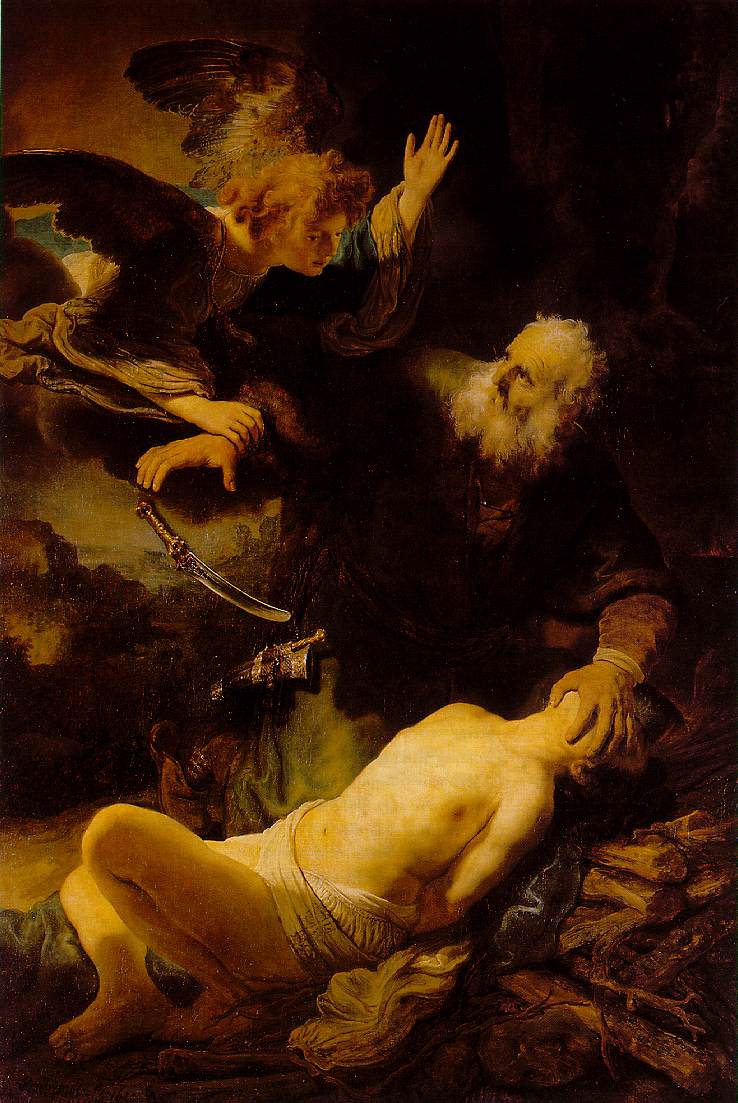
- Abraham and Isaac etching by Rembrandt.
- Rembrandt’s Abraham
- How to draw the Star of David.
- Video on how to make a trumpet like the Ancient Israelites!
- Map of the Israelite camp.
- Listen to a shofar.
- Color pages about Jewish holidays.
- Learn how to make Shabbat candles.
- Printable activities for Passover.
- Make a cardboard box loom.
Week 9: In The Wilderness: Slaves to Warriors
- *Recipes/Seder information under this section
- Judaism: all kinds of useful information. Please pre-read, but wholesome for most children, I think, and a great help for teachers.
- All the links you’ll ever need about the Tabernacle, and Tabernacle models.
- Buy tabernacle model kits here.
- Excellent pictures of a Tabernacle model that may help in building your own.
- Abraham and Isaac etching by Rembrandt.
- Rembrandt’s Abraham
- How to draw the Star of David.
- Listen to a shofar.
- Color pages about Jewish holidays.
- More color pages: Shabbat or Torah.
- Learn how to make Shabbat candles here.
- Printable activities for Passover.
- The family tree of Terah.
- Make a cardboard box loom.
*Seder/Recipes:
- Planning a Seder for your unit-celebration? Click here for information.
- Challah Bread Recipe
- Egyptian Lentil Stew Recipe
- Introduction to a Christian Seder.
Unit 2 – All Governments Are Established by God
Week 10: The Indus Valley, Hinduism, & Buddhism
- Great information on carving stone. Many types and sources, great if you’re a mom leading this week’s craft.
- How to make simple Soapstone Carvings.
- Various forms of Pachisi, and ideas for making game boards and playing according to traditional rules in India.
- A portable Pachisi craft from Crayola
- Great interactive site about the Indus Valley. Find information about the “bead pot” mentioned in Year 1 Redesigned at this link.
- For your model of a two-wheeled cart: check links here and here.
- Ancient India: food and recipes.
- Ancient India: clothing (sari, dhoti, and turban)
- Ancient Indus Valley: homes
Week 11: Ancient China: Confucius & Taoism
- See your name written in Chinese!
- Make a Chinese Dragon
- Learn about the history of another ancient game this week: Wei-Ch’i. The Japanese call it “Go” and most Westerners know it by this name. Said to be more challenging than Chess, it’s a simple game to make and learn.
- Learn the rules of Go, and then make a board and pieces and play it for your family night. (Challenging for adults; possible for Dialectics and up.)
- Buy an abacus and learn to use it!
- Learn to do Chinese calligraphy! Buy a calligraphy set here.
- Make your own kite! This website has a very simply made kite.
- Easy and hard version of a China Word search!
- Make a Chinese pellet drum.
- Make a Chinese folding fan.
- Make a Chinese pagoda.
- Write Chinese numbers.
Week 12: Ancient Americas
- One set of instructions on making a gourd rattle or musical instrument called a Shekere.
- Lure construction. Mine this website for information on making your own lures.
- Lessons plans about Ancient Mayan art.
- Great coloring pages for Aztec culture.
- Book suggestion by a user: Mexico! 40 Activities to Experience Mexico Past and Present by Susan Milord. This is a great book: you’ll use it this year and next. ISBN: 1885593228
Week 13: Early Greek Cultures of the Bronze Age
- Greek crafts for younger kids
- The most famous early fresco from Crete, The Toreador
- The Building of the Trojan Horse by Giovanni Domenico Tiepolo
- Trojan horse: scroll to the bottom of the page and click on one of the Trojan horse images to print and make your puzzle.
- Make a ship of Popsicle sticks
- What did Greek pottery look like?
Week 14: Early Greek Cultures of the Archaic Period
- Greek crafts for younger kids.
- Greek recipes
Week 15: The Promised Land: Conquest & Settlement
- Make a salt dough map of Israel.
- Check out this neat website on Canaan and Ancient Israel!
- Directions for casting metals, and a source for buying moulds. Scroll down the home page index looking for the article entitled “6 steps to perfect casting.”
- The Blinding of Samson by Rembrandt: Graphic in nature, younger students should be supervised when viewing.
- Plaster Molds
Week 16: Israel’s Judges and Neighbors
- Make a clay oil lamp.
- The Apotheosis of Homer by Jean-Auguste-Dominique Ingres
Week 17: The Rise of Saul & the Philistines
- Picture of Mycenaean pottery that shows warriors who look much like Goliath as described in 1 Samuel 17:4-7.
- Create music with a sistrum!
- Detailed instructions for making pottery.
- Pinch pots: how to make them.
- A picture of Dagon, the fish-god.
- Fabulous site: hyperlinks to pictures of ruins and artifacts, as well as map and tons of information about the Philistine culture and their interactions with Israel. Great resource for the Peoples of Ancient Palestine display board.
- David with the Head of Goliath by Caravaggio
Week 18: King David and the Phoenicians
- The history and “how to” of batik dying. Note that the history says that ancient Middle East batiks were usually blue!
- Make a sling like David’s!
- Build a blanket fort and hide in a “cave” like David and his fellow soldiers!
- Different dye techniques: links and instructions.
- Phoenician Trade
- Phoenician art/artifacts
- For your poster assignment: The Development of the Alphabet.
Unit 3 – Preparing the World for its Savior
Week 19: Solomon’s Divided Heart


Week 20: The Divided Kingdom
- Worksheet on the Divided Kingdom.
- Worksheet for Elijah.
- Elijah’s Prayer answered.
- Fun Bible crafts about Elijah: You’ll find a paper-plate raven, some puppets, and more.
Week 21: The Assyrian Scourge: The Northern Kingdom Is Deported
- Coloring page for Jonah.
- Assyrian-style relief
Week 22: The Chaldeans (New Babylonians) and the Babylonian Captivity
- Daniel in the Lion’s Den: story on youtube.
- Coloring page of Daniel and his friends.
- The Hanging Gardens of Babylon
- Artist depiction of Ancient Babylon

Week 23: The Medes and Persians: The Israelites Return Home
- Jerusalem Temple 3d model.
- Purim is a Jewish holiday that was established in the book of Esther. On this site you will find a recipe for Hamentaschen and some helpful links.
- Create your own clay seal!
- Youtube video on tithing.
- Another Purim site with lots of fun ideas, recipes, crafts, etc.
- Make a Shalach Manos basket for Purim.
Week 24: Persians and Greeks: The Persian Wars
- Venn Diagram
- An interactive website of Greek gods and heroes.
Week 25: The Golden Age of Greece and the Peloponnesian Wars
- Sculptures of Classical Greece: Reproduction of the Laokoon group. (warning: classical nudity)
- Architecture: Greek orders of columns, with diagrams and pictures. Outstanding site for all ages.
- Greek recipes
- Learn how to make mosaics.
- Make a Greek chiton for your unit celebration.
- Greek costumes for your unit celebration
- Classical Greek Art: (warning: classical nudity)
Week 26: Greek Achievements: Science, Mathematics, and Philosophy
Week 27: Alexander the Great: Preparation for Proclamation
- Reproductions of busts of Alexander.
Unit 4 – In the Fullness of Time
Week 28: The Etruscans and the Founding of Rome
- VERY nice page on Etruscan Art.
- Etruscan tombs
- The Arch and the Vault
- Build a Roman Road
- Make a Mosaic Tile.
Week 29: The Roman Republic: Everyday Life
Week 30: The Roman Republic Expands: The Punic Wars
- Make a model of a Roman road.
- Roman Roads
Week 31: From Republic to Empire
- Celtic knotwork. Great instructions here, but don’t follow links on their website without adult supervision.
- Create your own Celtic knots: links here and here.
Week 32: Imperial Rome: Backdrop to the Atonement
- Coloring page of a Roman soldier
- See and hear “The Lord’s Prayer” in Aramaic, the tongue of Jesus.
- Make a paper nativity scene.
- Examples of Roman wall painting.
Week 33: The Zenith of Imperial Rome: Backdrop to the Early Church
- Click here for many pictures of Roman lamps.
- Plaster casts: casts of Pompeii, make your own casts
- Ancient Roman clothing
- This is a great site for learning about Pompeii and Mount Vesuvius.
- Build a working volcano.
- At this website you can view history and information on The Christian Catacombs of Rome.
Week 34: Rome Decays: Saints and Martyrs of the Early Church
- Instructions for making a model Roman chariot.
- Pictures of the Catacombs
Week 35: Christianity Conquers Rome: Of Church Hierarchies
- Timeline of the Roman Empire
Week 36: Western Rome Falls: Theology and Church Councils
- Review Units 3 and 4.
- Complete all hands-on projects this week for your Unit Celebration.
Field Trips
On this page, we hope to post field trip ideas from YOUR state that dovetail with Tapestry subjects as organized in our week-plans. Please submit your ideas via email, and please try to include the following information:
- Your email address (for our sake, in case we have questions, but you can tell us if you’re willing to have your email linked as a contact person for more info about your recommendation).
- The name of the attraction.
- ANY online links to explain, give information, about the attraction.
- A short paragraph explaining why the attraction would serve homeschoolers.
THANKS for your help! We will post states as their submissions come in, and under the weeks as listed below:
Unit 1 – The Books of Moses
Week 1: Curtain Rises on Egypt: Gift of the Nile
- Virtual field trip of Egypt. Use anytime during this unit.
- Movie-goers will enjoy Mystery of the Nile, a story of a modern-day expedition traveling down the Blue Nile from its source into the Mediterranean. One highlight was an ancient Nubian city that most people have never heard of. The movie was quite fair to Christians, with a very memorable scene of Ethiopian Christians worshipping. It also explained how Christianity was preserved in Ethiopia, and the role of the Nile in tying Christians together.
- The Museum of World Treasures in Wichita, Kansas. I would have a hard time choosing a specific week to go, because most weeks would apply. The museum has mummies from Egypt, a replica of the Rosetta Stone as well as coins, pottery, and many other artifacts from ancient civilizations. The mummies themselves make the trip worth it.
- Creation Museum in Petersburg, KY. Cheap rates. Teaches youngsters about creation from a Biblical perspective.
- Ancient Egypt Collection: Institute of Egyptian Art and Archaeology in Memphis, TN
- National Geographic: Treasures of the Earth Museum in Indianapolis, IN
Week 2: Pharaohs & Pyramids
- A user recommends the Field Museum in Chicago, Illinois. They have a permanent exhibit called “Inside Ancient Egypt”. This provides a very good overview of the culture.
- Ancient Egypt Collection: Institute of Egyptian Art and Archaeology in Memphis, TN.
- National Geographic: Treasures of the Earth Museum in Indianapolis, IN.
Week 3: Egyptian Polytheism & the Judgment of God
- The Cummer Art Museum in Jacksonville, Florida has various collections and beautiful gardens, but of particular interest to Year 1 TOG users is their collection of antiquities dating from 2100 B.C. to 300 A.D. This collection has fine examples of the art of Egypt, Etruria, Greece and Rome. Currently, a Cameo Exhibition of Art of the Ancient Mediterranean world and the Ancient Americas is on display in the Millner Gallery. Note: Tuesday evenings are AT&T Free Tuesdays and admission is free from 4-9 P.M.
- Ancient Egypt Collection: Institute of Egyptian Art and Archaeology in Memphis, TN.
- National Geographic: Treasures of the Earth Museum in Indianapolis, IN.
Week 4: Creation Through Noah
- No helpful links this week.
Week 5: Abraham & Ancient Mesopotamian Civilizations
- No helpful links this week.
Week 6: The Patriarchs: From Canaan to Egypt
- Life-Size Tabernacle Replica.
- Tabernacle Replica in Lancaster, PA
Week 7: In The Wilderness: The Tabernacle & the Law
- The Holy Land Experience in Orlando, FL is a lot of fun for the whole family! They have musicals, plays, gift shops, authentic Jewish food and many more fun activities!
Week 8: In The Wilderness: Holiness – Worshipping God as God
- No helpful links this week.
Week 9: In The Wilderness: Slaves to Warriors
- No helpful links this week.
Unit 2- All Governments Are Established by God
Week 10: The Indus Valley, Hinduism, & Buddhism
- Freer Sackler Galleries of the Smithsonian in Washington, DC.
Week 11: Ancient China: Confucius & Taoism
- National Geographic: Treasures of the Earth Museum in Indianapolis, IN.
- Freer Sackler Galleries of the Smithsonian in Washington, DC.
Week 12: Ancient Americas
- A user recommends the Field Museum of Chicago in Illinois. They have a permanent exhibit called “Early American Indians.”
- The Mound Builders: Moundville Archaeological Park in Tuscaloosa, AL.
- Town Creek Indian Mound
- Cahokia Mounds: Located within 15 minutes of St. Louis, MO.
Week 13: Early Greek Cultures of the Bronze Age
- Can’t quite make that field trip to Greece happen this year? Hidden in the heart of Nashville, Tennessee is a full-scale replica of the Parthenon that houses an awe-inspiring 42-foot replica of Athena (complete with Nike in her palm). A full day can be made of this field trip as it is located in Centennial Park with a lake, bench swings, and even a stage (which hosts Shakespeare in the Park each summer). Visit the website to schedule a field trip and download excellent educational resources.
Week 14: Early Greek Cultures of the Archaic Period
- No helpful links this week.
Week 15: The Promised Land: Conquest & Settlement
- No helpful links this week.
Week 16: Israel’s Judges and Neighbors
- No helpful links this week.
Week 17: The Rise of Saul & the Philistines
- No helpful links this week.
Week 18: King David and the Phoenicians
- No helpful links this week.
Unit 3 – Preparing the World for its Savior
Week 19: Solomon’s Divided Heart
- No helpful links this week.
Week 20: The Divided Kingdom
- No helpful links this week.
Week 21: The Assyrian Scourge: The Northern Kingdom Is Deported
- No helpful links this week.
Week 22: The Chaldeans (New Babylonians) and the Babylonian Captivity
- Visit an Observatory: Leander McCormick Observatory is located in Charlottesville, VA.
Week 23: The Medes and Persians: The Israelites Return Home
- No helpful links this week.
Week 24: Persians and Greeks: The Persian Wars
- No helpful links this week.
Week 25: The Golden Age of Greece and the Peloponnesian Wars
- No helpful links this week.
Week 26: Greek Achievements: Science, Mathematics, and Philosophy
- No helpful links this week.
Week 27: Alexander the Great: Preparation for Proclamation
- No helpful links this week.
Unit 4 – The Book of Moses
Week 28: The Etruscans and the Founding of Rome
- No helpful links this week.
Week 29: The Roman Republic: Everyday Life
- The Cummer Art Museum in Jacksonville, Florida has various collections and beautiful gardens, but of particular interest to Year 1 Tapestry users is their collection of antiquities dating from 2100 B.C. to 300 A.D. This collection has fine examples of the art of Egypt, Etruria, Greece and Rome. Currently, a Cameo Exhibition of Art of the Ancient Mediterranean world and the Ancient Americas is on display in the Millner Gallery. Note: Tuesday evenings are BellSouth Free Tuesdays and admission is Free from 4-9 P.M.
Week 30: The Roman Republic Expands: The Punic Wars
- A user shares the great suggestion of taking a trip to the zoo and talking with the elephant trainers. She has arranged this trip ahead of time for her Lower Grammar students. Maybe you’ll even get to see baby elephants!
Week 31: From Republic to Empire
- No helpful links this week.
Week 32: Imperial Rome: Backdrop to the Atonement
- No helpful links this week.
Week 33: The Zenith of Imperial Rome: Backdrop to the Early Church
- No helpful links this week.
Week 34: Rome Decays: Saints and Martyrs of the Early Church
- No helpful links this week.
Week 35: Christianity Conquers Rome: Of Church Hierarchies
- No helpful links this week.
Week 36: Western Rome Falls: Theology and Church Councils
- No helpful links this week.